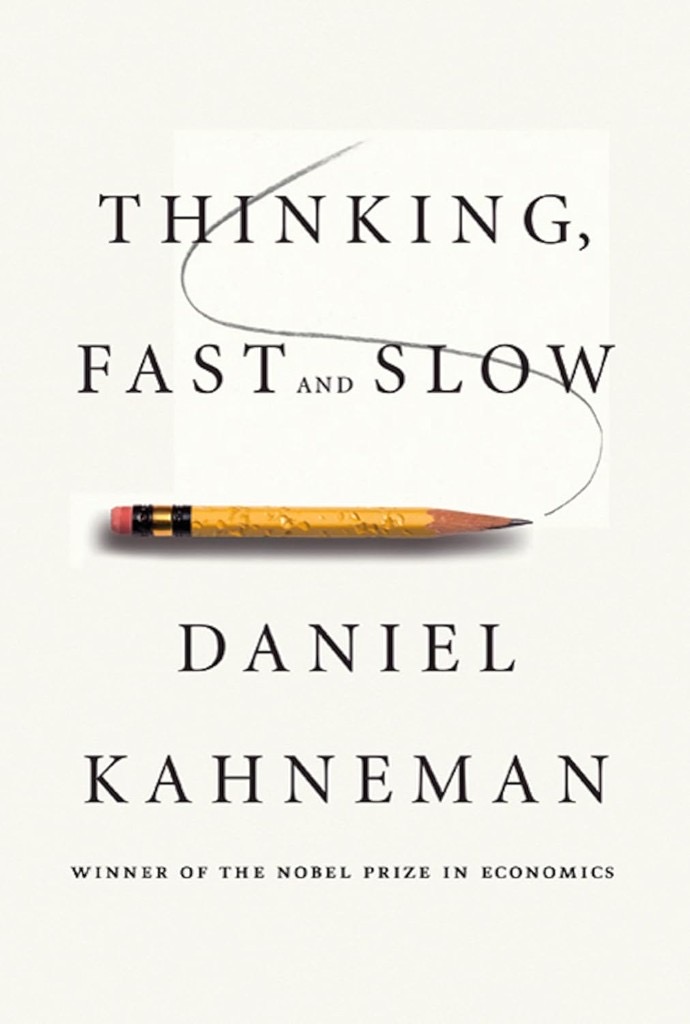
Thinking, Fast and Slow
A foundational book on cognitive biases, judgement, and decision-making.
Get the bookEach title links to a publisher or author page where you can learn more or buy a copy. Listed in catalogue order.
A foundational book on cognitive biases, judgement, and decision-making.
Get the book
Accessible experiments on how people actually choose — and where reason quietly leaves the room.
Get the book
How cognition, affordances, and error shape the objects and interfaces we build.
Get the book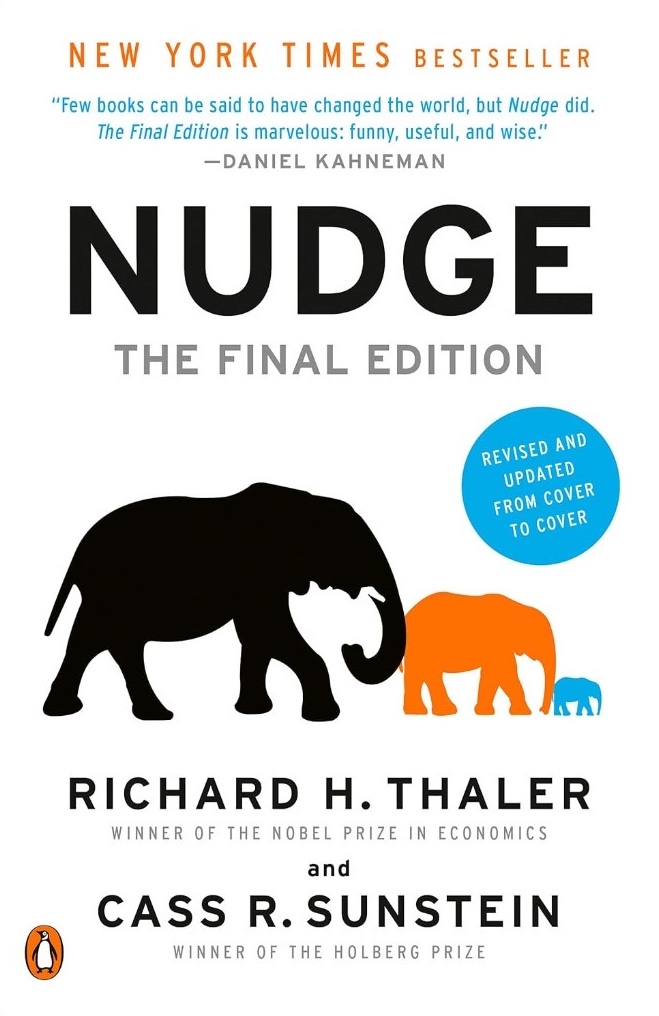
Choice architecture, defaults, and the ethics of designing better decisions without removing freedom.
Get the book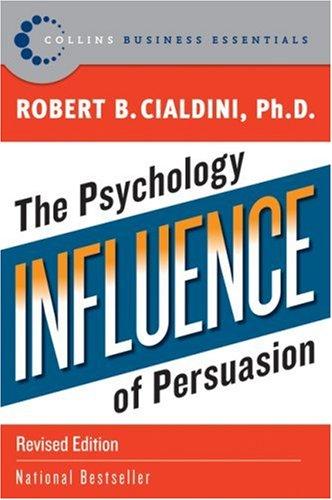
The psychology of persuasion — scarcity, social proof, commitment, and the patterns behind compliance.
Get the book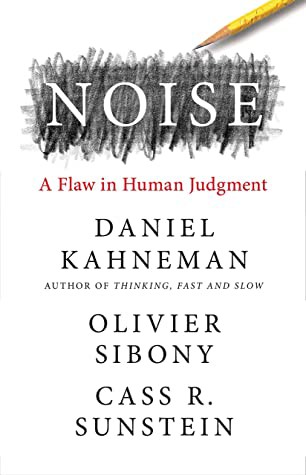
Why judgement varies more than we expect — and how to design processes that reduce unwanted variability.
Get the book
Short chapters on common thinking errors — useful as a quick reference alongside deeper reads.
Get the book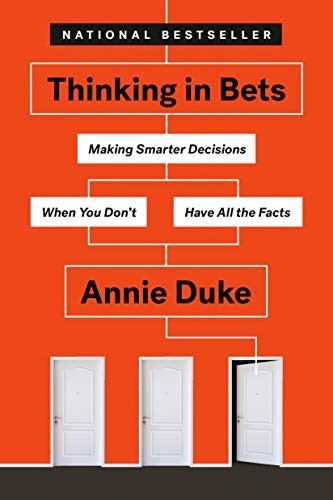
Decision-making under uncertainty: separating quality of process from outcomes we cannot control.
Get the book
How the best forecasters update beliefs, avoid overconfidence, and think in probabilities.
Get the book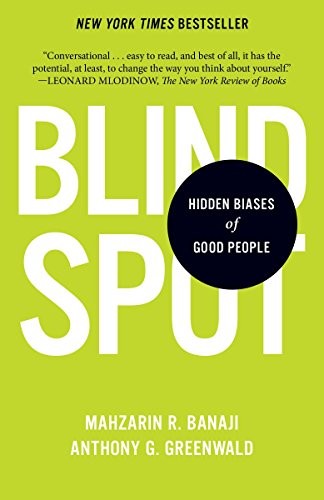
Hidden biases in the mind — and why good intentions do not automatically produce fair outcomes.
Get the book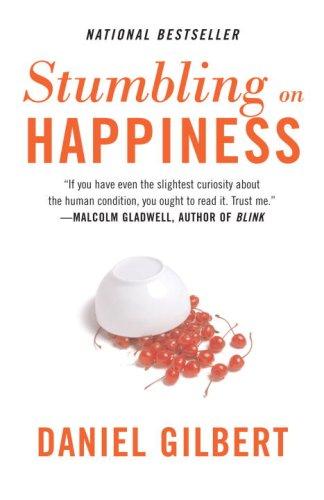
How we predict what will make us happy — and why those predictions are systematically wrong.
Get the book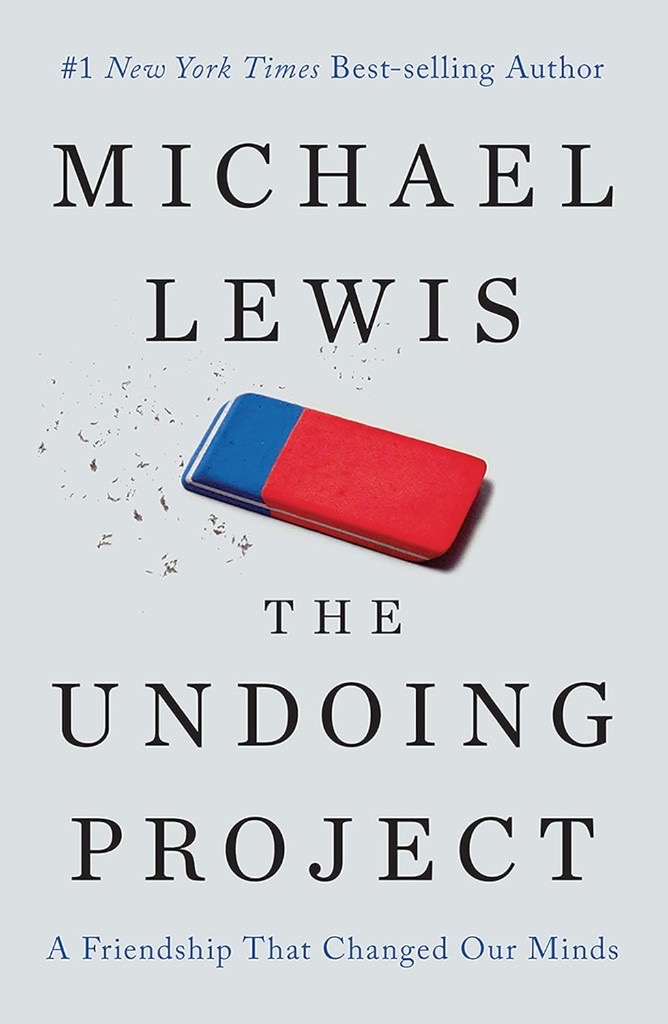
The story of Kahneman and Tversky — readable context for the science behind modern behavioural economics.
Get the book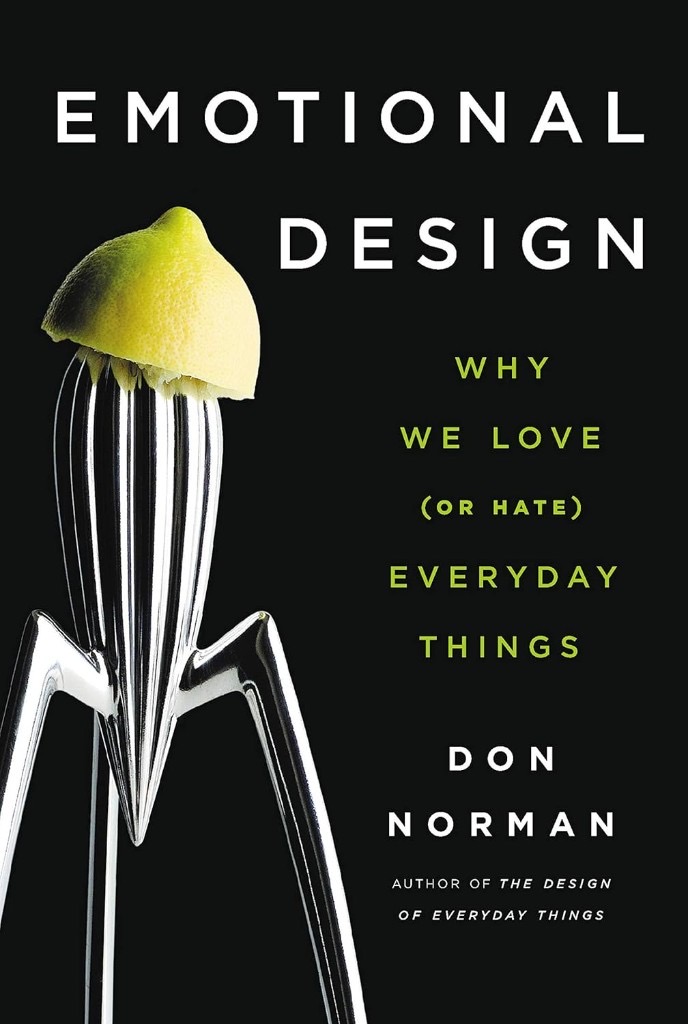
Why aesthetics, familiarity, and feeling matter as much as usability in products people trust.
Get the book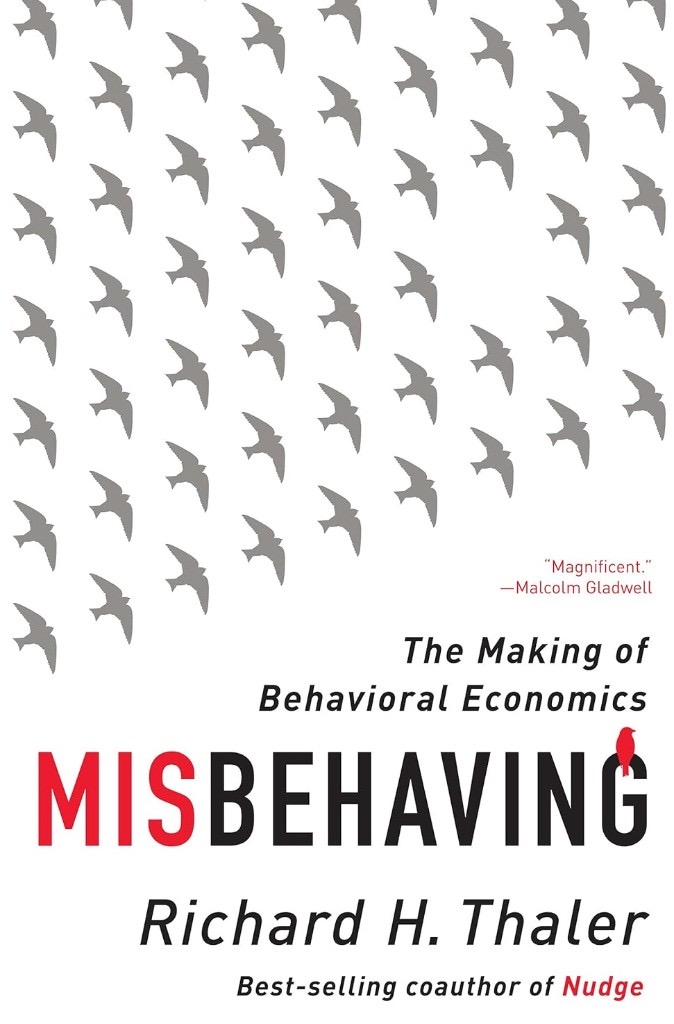
The rise of behavioural economics — defaults, framing, and why rational-agent models miss real people.
Get the book
How to seek truth rather than defend beliefs — a practical complement to bias awareness.
Get the book
Book that will shatter your assumptions about what makes arguments productive.
Get the book
The one-of-a-kind journal for designers striving to quickly understand and navigate through the world of cognitive biases.
Get the book